
"washed Ethiopian beans"
2000 article(s) found

Ethiopian Coffee beans | Ethiopian Coffee producing areas | Yega Xuefei ECX selected Water to wash G1
Professional coffee knowledge exchange for more information about coffee beans, please follow the coffee workshop (Wechat official account cafe_style) ECX selected washing G1 Ethiopia washed Yirgacheffe ECX Specialty G1 2017 Dec in Yega Sheffield Town, Ethiopia. New seasonal bean varieties: Heirloom native species producing area: Ethiopia Yirgacheffe A

Description of flavor of Ethiopian Yega Xuefei G2 washing cup introduction of taste varieties
Ethiopian Yega Xuefei G2 washing cup flavor description Origin Ethiopian coffee is processed by two processing methods: sun and water washing, the flavor of coffee processed by different processing methods is very different, generally speaking, the alcohol thickness and soil taste of washed Sidamo, Yirgacheffe and Limmu coffee are slightly lower, and the taste of sun-processed coffee is more wild. But every Essex coffee

Ethiopian Water washing Yega Xuefei G1Liketu treatment Plant introduces Water washing Yega Xuefei G1Like
Professional coffee knowledge exchange more coffee bean information please follow the coffee workshop (Wechat official account cafe_style) Qianjie Coffee introduction Ethiopian water-washed Yega Xuefei G1 Rico processing plant Ethiopian water-washed Yega Xuefei G1 Likotu processing Plant (Ethiopia Washed Yirgacheffe Likito G1) country: Ethiopia (Ethiopia) production area: Yega
Lim Limu washing local native coffee how to drink? What are the producing areas of Ethiopian coffee?
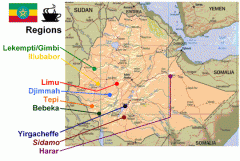
Professional coffee knowledge exchange more coffee bean information please follow the coffee workshop (Wechat official account cafe_style) Ethiopian coffee is mainly produced in eight major areas: Lekempti, Limu, Illubabor, Djimmah, Harar, Teppi/Bebeka, Sidamo, Yirgacheffe. Ethiopian coffee is highly rated in China, especially for Ethiopian coffee.

Ethiopian Coffee Yega Sheffield Coffee beans Ethiopian Coffee Sidamo producing area
According to the above four different modes of production, Ethiopian coffee can be divided into nine major coffee producing areas, including five boutique coffee areas: Sidamo, Yegashefi, Harald, Lim and Lekampu. and four general commercial bean producing areas: Gemma, Irugbo, Tibby and Bekaa. The sun or water washing methods are used in each district, and different treatment methods also affect the flavor.

Ethiopian Coffee Story which brand of Ethiopian coffee beans is good
Professional coffee knowledge exchange more coffee bean information please follow the coffee workshop (Wechat official account cafe_style) Starbucks, which has been the king of the world in recent years. To become a well-known fashion brand, in order to arouse the recognition of more consumers with the power of consumption, Starbucks proposed a commitment to the producing area of caffeine (Commitment to Origins; referred to as CTO) in 2003, and promoted
Introduction to Ethiopian Coffee Grade
Grade of Ethiopian coffee: Ethiopian washed coffee Yega Chuefei G1 G2 Sidamo (Yirgacheffe, Sidamo) has the highest grades 2 and 3 (G2, G3), while sun-processed coffee in eastern Ethiopia is mostly grade 4 or 5 (G4, G5). In many cases, level 4 coffee is marked as level 5 in order to reduce taxes. At present, the classification is not uniform and there are

Introduction to the flavor description of Ethiopian Yega Xuefei G2 washing cup
Flavor description of Ethiopian Yejashefi G2 washing cup taste introduction the coffee tree of Yegashafi was planted by European monks (a bit like Belgian monks growing wheat to brew beer) and was later transferred to farmers or cooperatives. Yejassefi is actually constructed by surrounding coffee communities or cooperatives, including Edido Idido and Harford near Fog Valley Misty valley.

Ethiopian Arabica Coffee Sidama Region Lion King Coffee
Even the official Ethiopian research unit cannot say how many Arabicans there are in Ethiopia. Coffee cooperatives on one mountain certainly grow different varieties than those on another, and even small farmers in the same area grow different varieties of coffee. Some estimate that there are at least 2,000 varieties of Ethiopian coffee, and there are even more than 4,500 varieties. Compared to the southern neighbor, Ken

Ethiopian treatment of boutique coffee washing
The birthplace of coffee-Ethiopia. The coffee tree originated in Ethiopia, which was originally a wild plant here, and the name coffee comes from the Ethiopian town of Kaffa. In fact, many coffee trees in Ethiopia are still wild plants, and the coffee grown on this coffee tree is full-grained and slightly alcoholic. Humans may have been in the 9th century.
Lim wash G2 | unusual Ethiopian coffee
Professional coffee knowledge exchange more coffee bean information please follow the coffee workshop (Wechat official account cafe_style) Ethiopia Ethiopia G2 washed Ethiopia Washed Limu G2 country: Ethiopia (Ethiopia) production area: Limu (native species) producer: Heirloom (native species) producer: Limu production area local coffee is small

Ethiopian Coffee | washed Agaro de Remira / good Life Cooperative
Professional coffee knowledge exchange more coffee bean information please follow the coffee workshop (Wechat official account cafe_style) Ethiopian coffee | individual coffee bean recommendation-sun red cherry coffee raw bean Ethiopia washed Agaro town Derimilla / good life cooperative G1 raw bean variety: local native
Introduction to the flavor of Ethiopian hero coffee beans the taste characteristics of coffee beans treated with water washing in Sidamo
Professional coffee knowledge exchange more coffee bean information please follow the coffee workshop (Wechat official account cafe_style) front street-Ethiopian water washing hero introduction Ethiopia washing champion hero coffee 2019 Ethiopia TOH water washing group champion, this is a combination of aroma,

Introduction to the quality of Ethiopian Coffee Bean varieties by describing the Flavor of Solar washing
Introduction to the quality of Ethiopian coffee bean varieties sun washing flavor description in Ethiopia, the grading and quality control system of coffee is divided into three levels: producer, regional and national. All coffee is inspected by local inspection agencies before leaving the country of origin, and then re-tested at the coffee inspection and grading centers in Addis and Diredawa to determine its quality grade. Coffee
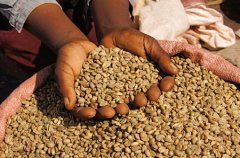
Ethiopian boutique coffee introduces Ethiopian boutique coffee taste Ethiopian coffee
Ethiopia is one of the major producers of Arabica coffee in Africa, producing the best Arabian coffee in the world. It is said that coffee was first discovered by shepherds in Essekafa, and the name of coffee evolved from Kafa, so Essex is still the hometown of coffee. The geographical environment of coffee production and processing is very suitable for coffee growth. Coffee is mainly cultivated.
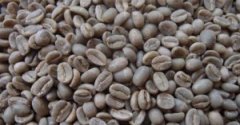
Ethiopian coffee beans, coffee beans
Ethiopia is home to Arabica coffee, and it is in the forests of the Kaffa region that you can see Arabica coffee growing wild. In Ethiopian, coffee is called Bun or Buna, and coffee beans may be translated from Kaffa Bun. Arabica coffee was discovered early in the Harar region, most likely from Karachi.
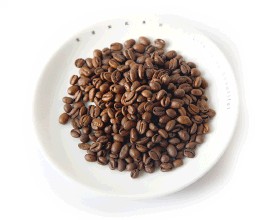
Fine coffee beans Ethiopian coffee Yega Sheffield coffee washed Arabica beans
Although the Ethiopian Yirgacheffe coffee is petite, it is gentle and delicate and sweet. As the hometown of coffee, thousands of years of planting history and processing tradition in Ethiopia have created high-quality washed Arabica beans. Light baking has unique sweet aromas of lemon, flowers and honey, soft acidity and citrus flavors, fresh and bright on the palate. No.

How Ethiopian coffee is graded why Ethiopian coffee beans vary in size
Professional coffee knowledge exchange more coffee bean information please follow the coffee workshop (Wechat official account cafe_style) Ethiopia is the hometown of Arabica coffee, it is in Ethiopia's Kaffa region of the forest, you can see wild Arabica coffee. In Ethiopian, coffee is called Bun or Buna, coffee beans (coffeebean

90 + Romique Lomi Tasha what is the planting environment and flavor of Ethiopian washed beans?
Professional coffee knowledge exchange more coffee bean information please pay attention to the coffee workshop (Wechat official account cafe_style) 90 + Romiqi Lomi Tasha Ethiopian water washed beans growing environment and taste? Country: Ethiopia: Yega Sheffiwoka village altitude: 17502000 meters treatment method: washing LEVEL UP 90+ is a fine raw bean processing company NinetyP

Ethiopian Bishan Dimo Water washing Station Coffee introduces what brands Ethiopian coffee has
Professional coffee knowledge exchange more coffee bean information please follow the coffee workshop (Wechat cafe_style) Bishan Dimo washing station the story of the Yonis family began in Hara's warm and dry climate. Harald, the easternmost coffee-growing region of Ethiopia, is famous for its naturally processed coffee because of the lack of water in the region. The Harari are proud of their amber beans.